Instead of following the recommendations of travel guides, people are increasingly choosing their next trip based on movies and television. VisitBritain found that 7 in 10 international visitors have already visited a film or TV location while on a UK leisure trip, and 9 in 10 potential visitors say they’d be interested in doing so. One of the travel industry’s fastest-growing trends in recent years has been set-jetting, which involves organising a trip around particular filming locations from well-known films or TV series. This is because TV streaming has made UK and Irish landscapes more accessible to viewers worldwide.
Understandably, there are some filming sites that don’t require an introduction. From famous film locations in London to castles, glens and coasts, many have become some of the most popular filming locations worldwide thanks to projects such as Harry Potter, Outlander, and Game of Thrones. However, there are just as many amazing filming settings that stay mostly unnoticed and unknown by the public.
This blog will explore 15 lesser-known set-jetting destinations across Scotland, England, Wales, Northern Ireland and the Republic of Ireland, for film and TV fans looking to build a trip beyond the obvious landmarks.
What Is Set-Jetting?
Set-jetting is when a full trip is inspired by a film or TV shows filming locations, and planned specifically around scenes, landmarks and towns that have been mentioned on the big screen.
Set-jetting is different from general city tourism and sightseeing, as the main motivator for these trips comes from the stories created around them. Instead of the location itself being the first attraction, travellers might choose to visit a city because a detective drama piqued their interest or arrange a getaway to a national park because a period drama captivated their imagination.
As streaming has increased global audiences’ awareness of filming places, screen tourism has grown quickly. Travellers are increasingly seeking experiences that are shaped by culture, story, and authenticity rather than a typical checklist of attractions.
Why Travellers Are Choosing Lesser-Known Filming Locations
Iconic film and TV show locations will always be popular, but more travellers are starting to seek out the lesser-known spots instead, and with good reason:
- Fewer crowds: Smaller towns and villages that are portrayed in films and television shows seldom receive the same number of tourists as larger cities, providing for a much more laid-back experience.
- Authentic experiences: Rather than being tourist destinations, lesser-known areas typically still feel like actual, lived-in places.
- Encouraging local tourism: travelling to smaller towns and villages extends tourism spending outside of the most well-known locations, assisting local businesses in areas that stand to gain the most from it.
- Capacity to explore beyond well-known sites: travelling to lesser-known locations frequently takes tourists to neighbouring sites they would not have otherwise found
- Easier to create original itineraries: It’s much simpler to create a truly customised journey around these areas because there is increased flexibility for lodging and less predetermined paths to follow.
15 Lesser-Known Set-Jetting Destinations Across the UK & Ireland
From TV towns to dramatic landscapes, these lesser-known UK and Ireland filming locations offer fans the chance to step into the worlds of their favourite shows while discovering somewhere new.
Scotland
From whisky distilleries to the big cities, Scotland on screen goes far beyond the Highlands, with filming locations that travellers may not yet know about.
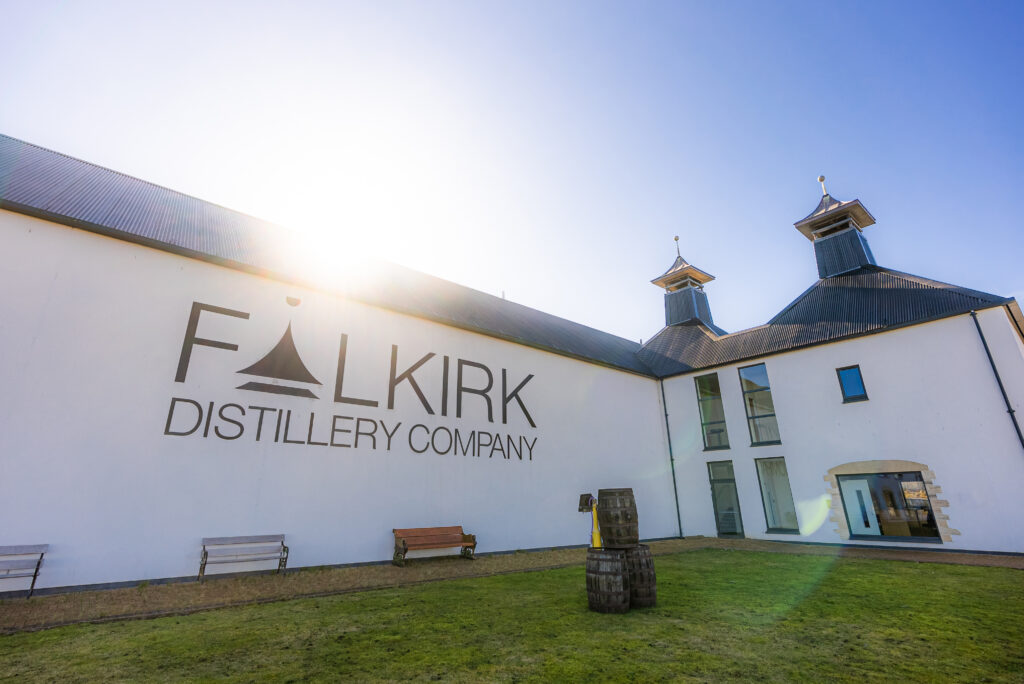
Falkirk: Glenrothan
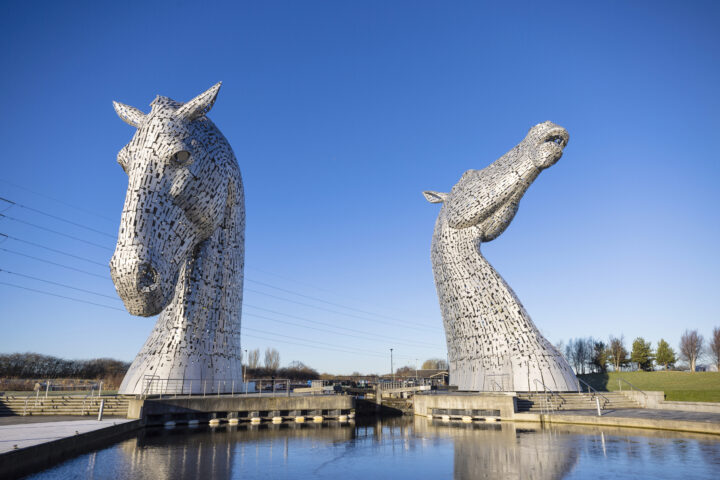
In the 2026 movie Glenrothan, which starred Brian Cox and Alan Cumming, Falkirk Distillery, located close to Polmont, was transformed into the fictional Glen Nairn Distillery. The same warehouses, mash tun, and still room that are shown on TV can be explored by visitors, who can then combine it with the neighbouring Falkirk Wheel and the Kelpies. It’s a convenient stop between Edinburgh and Glasgow, just off the M9.
Aberdeen: Granite Harbour
The majority of the filming for BBC Scotland’s Granite Harbour takes place on Aberdeen’s streets, from Castlegate to Marischal College and the waterfront. The city’s unique granite architecture may be observed while wandering along the same paths as in the series. Afterward, visitors can travel farther into Aberdeenshire’s castles and whisky distilleries. Aberdeen is a great starting point for a trip to Northeast Scotland.
Culross
One of Scotland’s best-preserved towns from the 16th and 17th centuries, Culross, also known as Cranesmuir in Outlander, is worth a visit. The National Trust for Scotland is responsible for maintaining Culross Palace, the Town House, and Culross Abbey. It’s a simple, low-key addition to a route through central Scotland or Fife. Glasgow: The Nest, The Rig, Annika
The Nest, Annika, and The Rig have all been filmed in Glasgow and along the Clyde, making it one of Scotland’s most frequently used filming locations. After exploring Glasgow Necropolis and strolling along the Clyde coastline, visitors can continue on to Loch Lomond or Greenock. With simple coastal additions, it’s a strong city base.
Northern England
Northern England’s country dales and industrial cities have slowly become some of the UK’s most-used filming locations.
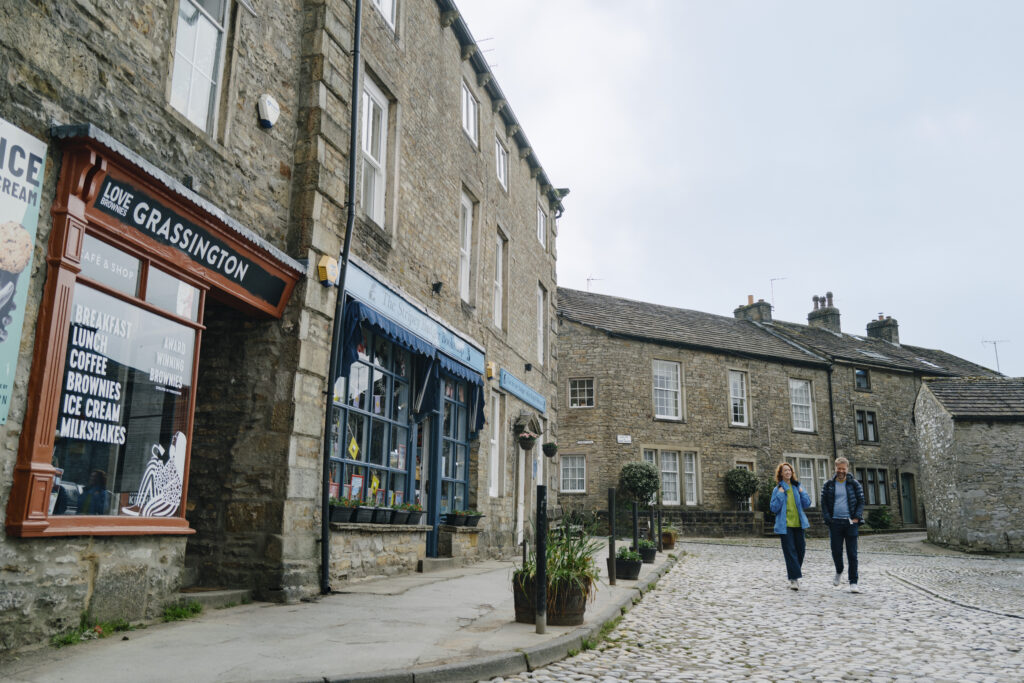
Grassington: All Creatures Great and Small
In Channel 5’s All Creatures Great and Small, Grassington acts as the fictional market town of Darrowby. The Devonshire pub, the Stripey Badger Bookshop, and the cobblestone square are all instantly recognisable. Before entering Malham, Swaledale, and Nidderdale, visitors can explore the same streets. It’s a logical place to stop on a tour of the Yorkshire Dales.
Northumberland: Vera
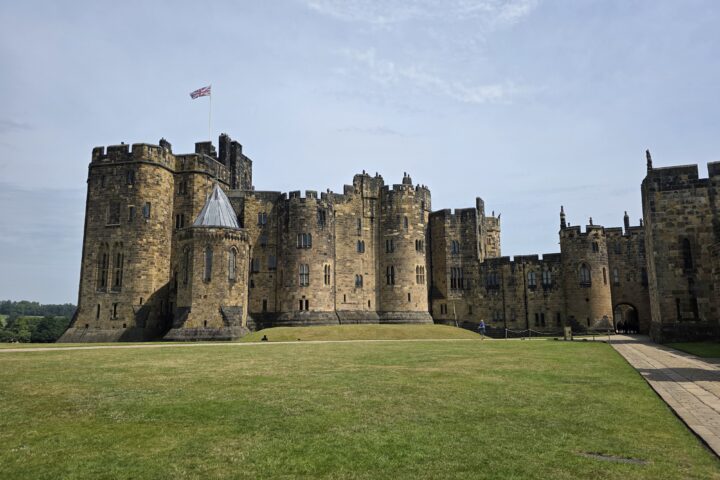
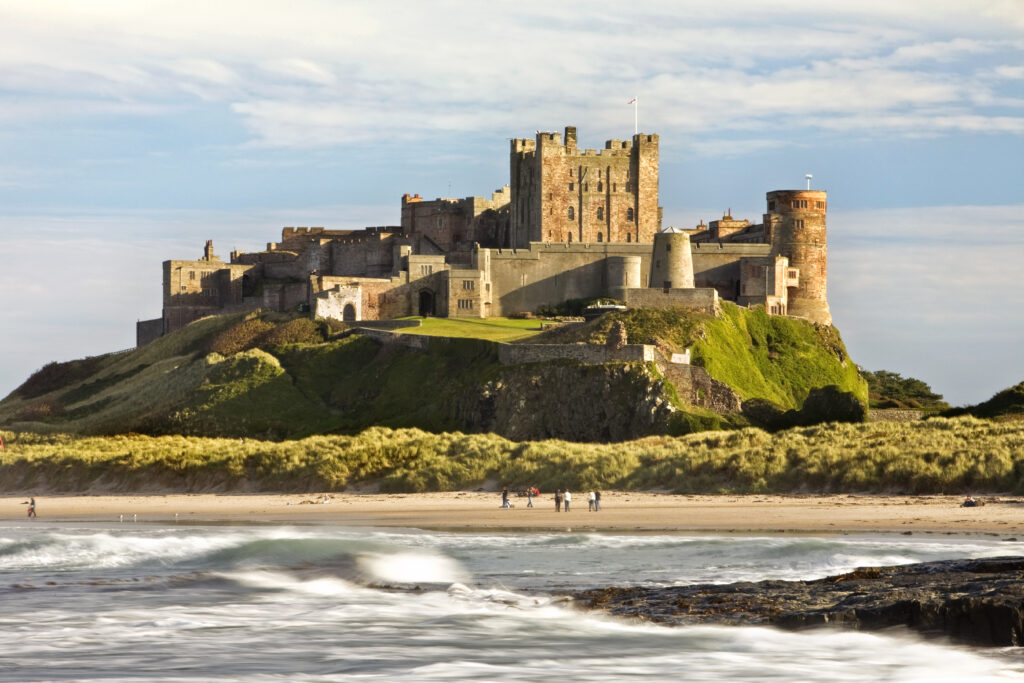
ITV’s Vera, which was filmed at Alnmouth, Amble, Bamburgh, and Holy Island, gets its moody look from the moorland and shoreline of Northumberland. Fans will recognise Alnmouth’s beach and harbour, Amble’s fishing marina, and Bamburgh Castle looming over the coast in the show’s establishing shots, while Vera’s own cottage is filmed on Holy Island, cut off by the tide twice a day. Before heading to Hadrian’s Wall, visitors can experience Alnmouth Beach, Amble’s harbour, and see Bamburgh Castle. If taking a broader Northeast route, it naturally pairs with Durham.
Leeds & Bradford: Peaky Blinders
Although Peaky Blinders is set in Birmingham, the bulk of the first series and elements of every one since were actually filmed across West Yorkshire. Leeds Town Hall doubles as a museum in one of the show’s key scenes, City Varieties Music Hall provided the backdrop for an early party scene, and Bradford’s Undercliffe Cemetery and Little Germany district have both featured throughout the series. Visitors can explore these real Leeds and Bradford landmarks before continuing into the wider Yorkshire countryside. It’s a strong addition to a West Yorkshire itinerary that pairs naturally with a Leeds city stay.
Wales
From Roman ruins to roaming hill tops, filming locations that Wales has to offer have been spotted in cult classics to major modern productions.
Caerleon: Sex Education
For the first three seasons of Netflix’s Sex Education, the former University of South Wales campus in Caerleon served as Moordale High. Newport, Monmouthshire, and the Wye Valley were also featured throughout. After viewing the campus structure, visitors can discover Caerleon’s authentic Roman past, which includes its amphitheatre and baths. Anyone combining Cardiff with the Wye Valley will find it to be a simple stop.
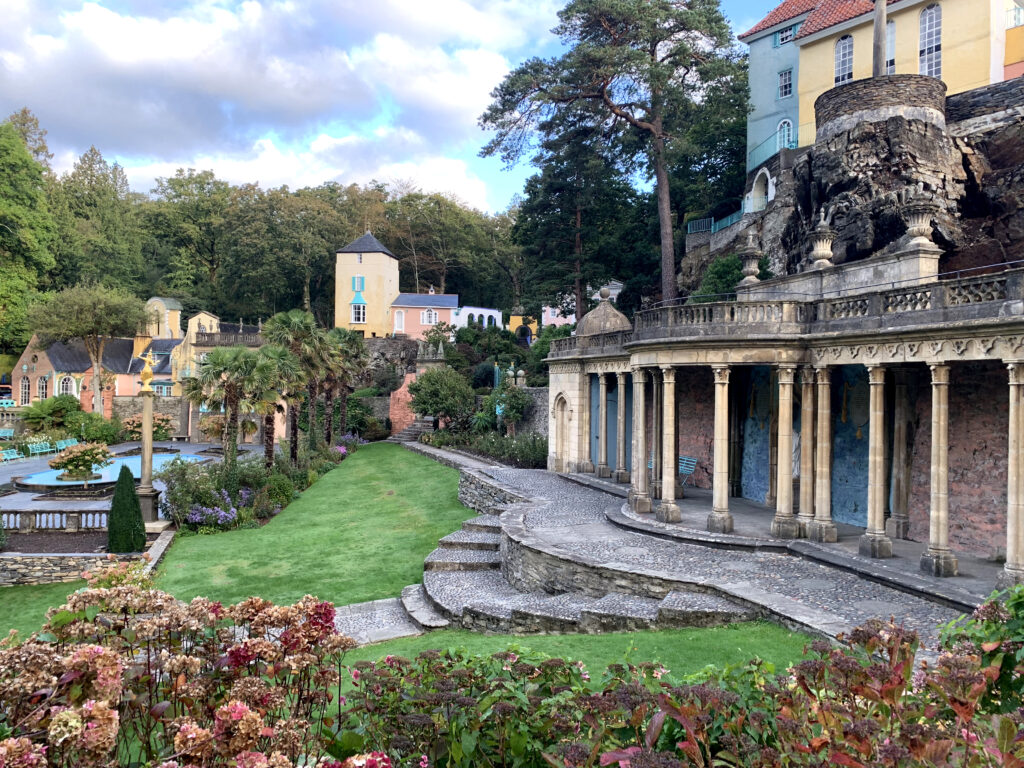
Portmeirion: The Prisoner
Most famously, the Italianate village of Portmeirion served as the backdrop for the cult series from the 1960s, The Prisoner. One of North Wales’s most picturesque locations, the community offers visitors the opportunity to explore, stay at Hotel Portmeirion, and stroll around the gardens and estuary. It can be used as a stop on a larger Snowdonia tour or as a stand-alone destination.
North Wales: House of the Dragon
Yr Eifl Quarry in Gwynedd served as a stand-in for Dragonstone Castle for the second season of HBO’s House of the Dragon, which was filmed extensively in North Wales. Alongside the more well-known sights of Eryri (Snowdonia) National Park, visitors can explore the striking quarry landscape of Gwynedd. It fits naturally into a wider North Wales itinerary, combining a lesser-known filming location with some of the region’s best-loved scenery.
Northern Ireland
Compact and easy to explore, filming locations Northern Ireland is home to span both city streets and coastal towns.
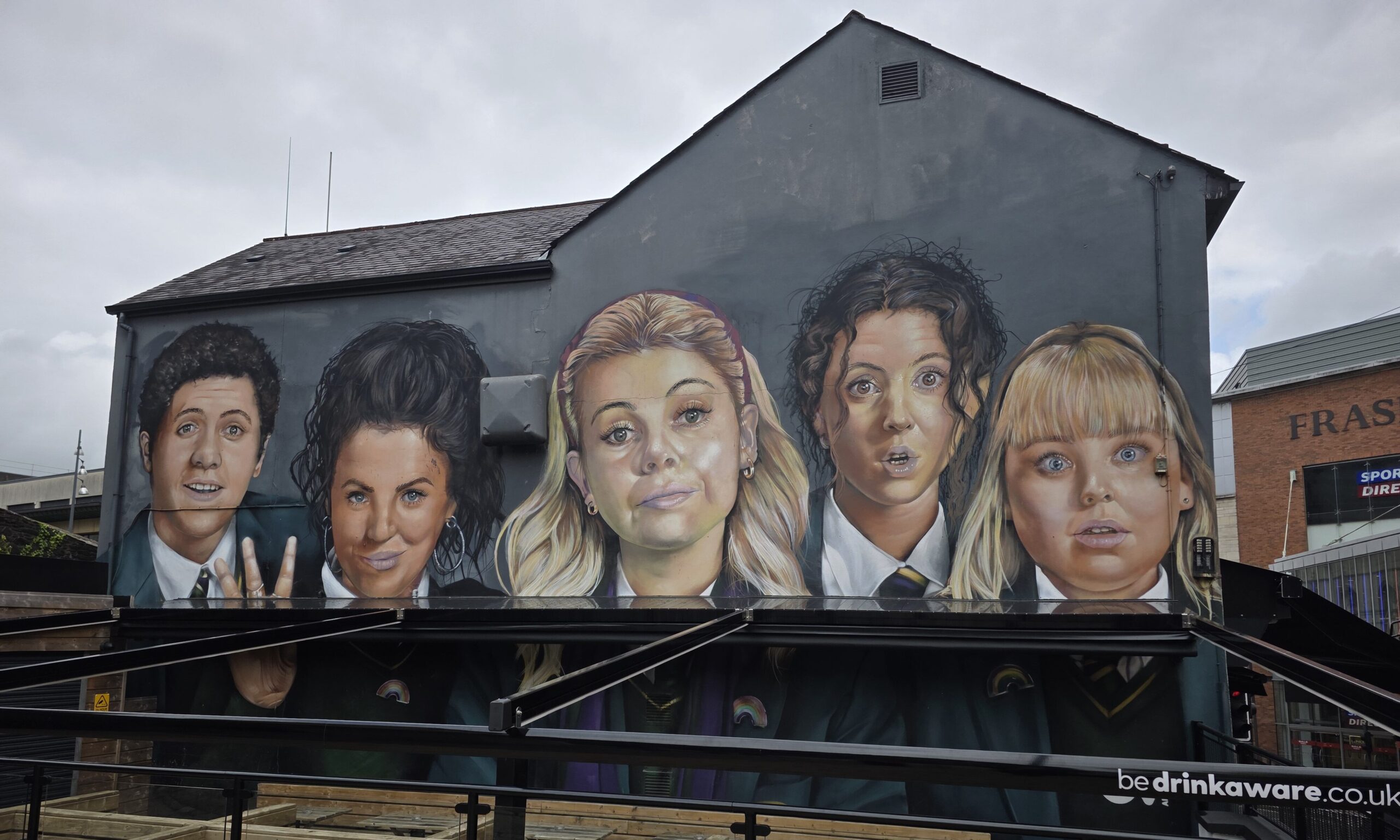
Derry~Londonderry: Derry Girls
Although the majority of the production for Derry Girls takes place in Belfast, a number of significant outdoor scenes (such as Orchard Row and Limewood Street close to the Bogside) remain in Derry~Londonderry. The city’s complete 17th-century city walls, the Derry Girls mural, and the same steep hill on Limewood Street are all open to visitors. All the show’s locations are covered in a single trip when Derry~Londonderry and Belfast are combined.
County Down: Blue Lights
In addition to Belfast locales including Dundonald and Netherleigh House, a large portion of the filming for the Belfast-based BBC series Blue Lights took place in Bangor, County Down. Before travelling to Belfast to see the Titanic Quarter and Cathedral Quarter, visitors can tour Bangor’s port and seashore. It’s simple to combine the Northern Ireland’s capital city of Belfast with the County Down coastline on a single itinerary.
Republic of Ireland
From little coastal villages to the vast mountains, filming locations Ireland has to offer are as varied as the shows they’ve appeared in.
Skerries: Bad Sisters
Apple TV+’s Bad Sisters includes scenes on the beach and next to the old windmills in the seaside town of Skerries, which is located north of Dublin. The Skerries Mills may be seen along the same stretch of coast, and visitors can combine it with neighbouring Howth and Malahide, both of which are featured in the programme. From Dublin, it’s a simple day journey to the seaside.
West Cork: Bodkin
The fishing village of Union Hall and neighbouring Glandore served as the real-life backdrop for the fictional settlement in Netflix’s Bodkin, the first scripted series from Barack and Michelle Obama’s production business Higher Ground. Explore the waterfront at Union Hall, go whale or dolphin watching, and combine it with Glandore, which is located nearby. It’s a portion of the West Cork coastline that’s far from the typical tourist route.
Wicklow: The Tourist
The Tourist, a BBC series, was moved from Australia to Ireland for its second season. Filming took place in Kilpedder, the Wicklow Mountains, and Wicklow Beach. Explore Wicklow Mountains National Park, stroll along Wicklow Beach, and combine it with Powerscourt Estate or Glendalough. The “Garden of Ireland” is best represented by this itinerary.
Plan Your Clients’ Own Set-Jetting Adventure
It takes a little more planning to build a set-jetting itinerary than it does to follow a popular Outlander or Harry Potter route. Since TV filming sites don’t usually correspond with story settings, travel advisors should start with a series their client is genuinely excited about, then find out where it was actually filmed.
A quick photo stop can be transformed into a proper day out by combining it with a local experience, such as a distillery tour or a coastal walk. Many of the film and television locations in this guide are close enough to combine, such as Northumberland with Leeds and Bradford, or filming locations in Ireland like West Cork with Wicklow.
For a more relaxed client experience, coastal places are typically best scheduled outside of the peak summer months. Movie locations in the UK are also typically easiest to reach by private vehicle or self-drive, as many of them are located off popular tour routes, so it’s worth factoring this into transport planning for clients.
Why Set-Jetting Creates More Memorable Holidays
Screen tourism is more than just sightseeing. Seeing a real location that was once portrayed as a fictional one creates a genuine emotional bond and frequently takes tourists to locations they wouldn’t have otherwise discovered. By selecting lesser-known filming locations in the UK and Ireland, tourism spending reaches the smaller towns that stand to benefit the most from it, transforming film tourism from simply a recreation of a scene to a real understanding of local culture, history, and nature.
Start Your Set-Jetting Experience with Best of Scotland Holidays
It requires local knowledge to transform filming locations into an authentic holiday, whether it’s a coastal village in West Cork or a whisky distillery in Falkirk. Best of Scotland Holidays, a destination management company with decades of experience in the travel industry, creates custom itineraries throughout Scotland, England, Wales, and Ireland by combining reputable accommodation, transportation, and authentic local experiences with the locations that first caught your interest on screen.
Whether it’s a single location, or a cross-country journey, every itinerary is created from the ground up. Discover the destinations that provide both a cinematic link and a genuine travel experience in the UK and Ireland by looking past the popular movie locations.
For more information on building your own set-jetting schedule that is customised to the performances, locations, and experiences that are most important to your clients, get in touch with our team now.
FAQs
What is set-jetting?
Set-jetting is when a trip is planned around specific filming locations from known movies or TV shows, rather than simply visiting a city or country’s tourist highlights.
What are the best lesser-known film and TV locations in the UK?
Falkirk, Aberdeen, Grassington and Northumberland are among the best lesser-known filming locations fans of UK & Irish based film and tv can explore, offering genuine screen connections beyond the obvious landmarks.
Can you visit real TV filming locations?
Yes. From Falkirk Distillery to Grassington’s market square, the vast majority of movie and tv show locations featured in this guide are genuine, publicly accessible places that welcome visitors.
What are some hidden filming locations in Scotland?
Falkirk, Aberdeen, Culross and Glasgow all offer filming locations Scotland fans may not know about, connected to shows and films including Glenrothan, Granite Harbour, Outlander, The Nest, Annika and The Rig, all of which give a fresh angle on Scotland on screen beyond the well-trodden Outlander trail.
Are filming locations suitable for tailor-made itineraries?
Yes. As this guide shows, many film and tv locations can be combined into a single trip, such as Northumberland with Durham, or West Cork with Wicklow, making them easy to build into a custom itinerary tailored to a traveller’s interests.
Which UK destinations are becoming popular because of film and TV?
Aberdeen, Grassington, Bangor in County Down, and West Cork have all seen growing visitor interest thanks to recent tv filming locations and productions filmed on location there.
How can Best of Scotland Holidays help plan a set-jetting itinerary?
As a destination management company with decades of experience in the travel industry, Best of Scotland Holidays creates custom itineraries throughout Scotland, England, Wales and Ireland, combining reputable accommodation, transportation and authentic local experiences with the set jetting destinations that first caught a traveller’s interest on screen.
What’s the difference between set-jetting and general sightseeing?
Set-jetting differs from general city tourism and sightseeing, as the main motivator for these trips comes from the stories created around them, rather than the destination itself being the first attraction.
Are there set-jetting destinations across Ireland as well as the UK?
Yes, Ireland offers plenty of set-jetting destinations, including Derry and County Down in Northern Ireland, and Skerries, West Cork and Wicklow in the Republic of Ireland.
Why should I visit lesser-known filming locations instead of famous ones?
Smaller towns and villages seldom receive the same number of tourists as larger, more iconic sites, offering a more laid-back experience while extending tourism spending to local companies that stand to benefit the most from it.