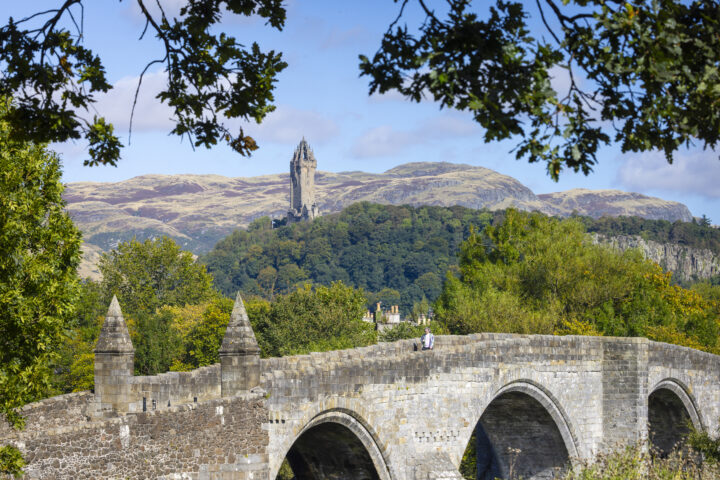
Every year on the 30th of November, Scotland comes alive with festivities, parades, and a strong sense of national pride as we celebrate St. Andrew’s Day. This day is a significant part of Scottish culture, honouring the country’s patron saint, St. Andrew. In this blog post, we will delve into the history of this special day in Scotland, exploring its origins, traditions, and its place in the modern-day Scottish calendar.
The Origins of St. Andrew’s Day

St. Andrew’s Day is dedicated to Saint Andrew, one of the twelve apostles of Jesus in Christian tradition. According to the legend, St. Andrew was crucified on an X-shaped cross, now known as the Saltire, which features on the national flag of Scotland. He became the patron saint of Scotland in the early days of Scottish history. St. Andrew’s connection to Scotland is not entirely clear, but there are several theories. One popular story is that a Greek monk named St. Regulus (or St. Rule) brought some of St. Andrew’s relics to what is now known as the town of St. Andrew’s in Fife during the 4th century. This led to the establishment of the famous St. Andrew’s Cathedral, and the town eventually became a significant religious centre in medieval Scotland.
Historical Celebrations

St. Andrew’s Day was celebrated in Scotland for centuries, and various traditions and customs developed over time. In the medieval period, the day was marked by religious observances, feasts, and charitable acts. People would attend church services and give alms to the poor, reflecting the spirit of Christianity. In the 18th and 19th centuries, the celebrations began to incorporate more secular elements, such as music, dancing, and merrymaking. People would gather for social activities such as ceilidh dancing and musical performances, often accompanied by the playing of bagpipes.
Decline and Revival
During the Reformation in the 16th century, many Catholic practices, including the celebration of saints’ days, were discouraged, or banned in Scotland. As a result, it lost some of its prominence. However, it was never completely forgotten and over the centuries, the day began to see a revival. In 2006, the Scottish Parliament officially declared St. Andrew’s Day as a public holiday, allowing for a resurgence of national pride and celebrations. Today, it is seen as a day to celebrate Scottish culture, history, and identity.
Modern Day Celebrations

Modern celebrations in Scotland have a lively mix of traditional and contemporary elements. People participate in various activities, including parades, concerts, and cultural exhibitions. Many wear Scotland’s national colours of blue and white on this day and enjoy traditional Scottish food such as haggis, neeps, and tatties, and drinks such as Scotch whisky. One of the most notable aspects of the celebration is the illumination of iconic landmarks and buildings with blue and white lights, creating a visually striking display across the country. The town of St. Andrew’s itself hosts a week-long festival to honour its patron saint. The town embraces its unique connection to Saint Andrew with particularly grand celebrations culminating on the 30th of November with an array of events paying homage to the town’s rich heritage.
St Andrew’s Day in Scotland is a day of national pride, celebrating both the country’s patron saint and its rich cultural heritage. From its religious origins to its revival in the modern era, this holiday reflects the enduring spirit of Scotland and the importance of unity among its people. As the celebrations continue to evolve, St. Andrew’s Day remains an essential date on the Scottish calendar, showcasing the legacy of this beloved saint and his influence on the nation. Contact us today to plan your trip to Scotland and experience the magic of our celebrations for 2024!